Morelia, Mexico: Cathedral & Monarch Butterflies
Morelia is one of Mexico's most beautiful colonial cities — a UNESCO World Heritage Site of pink-stone baroque architecture in Michoacán, and the gateway to the Monarch butterfly reserves.
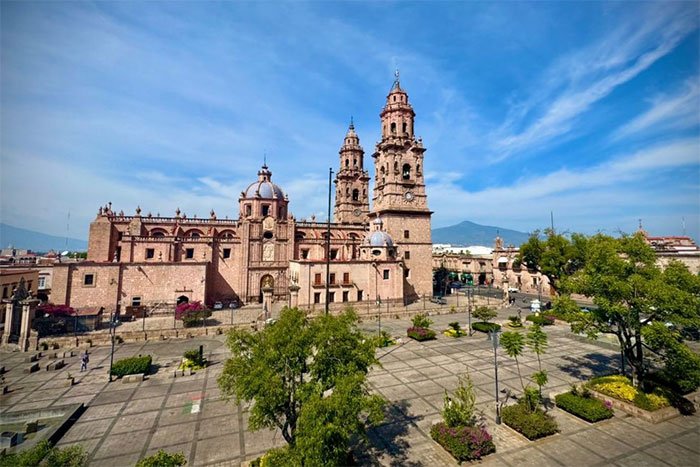
About Morelia
Morelia is one of Mexico's most beautiful colonial cities — a UNESCO World Heritage Site of pink-stone baroque buildings, a grand cathedral and a famous aqueduct, in the state of Michoacán. It is also the main gateway to the Monarch Butterfly reserves. Because of the state's advisory, US travelers should read the safety section below before planning a trip.
How to get to Morelia from the US
Morelia International Airport (MLM) has direct flights from several US cities (such as Chicago, Los Angeles and Dallas) thanks to strong family ties to the US, plus connections through Mexico City (about 4 hours by road).
Best time to visit
October to April is dry and pleasant at Morelia's mild highland altitude. The Monarch butterfly season runs roughly November to March. The city's Day of the Dead and its October music and film festivals are highlights.
Top things to do in Morelia
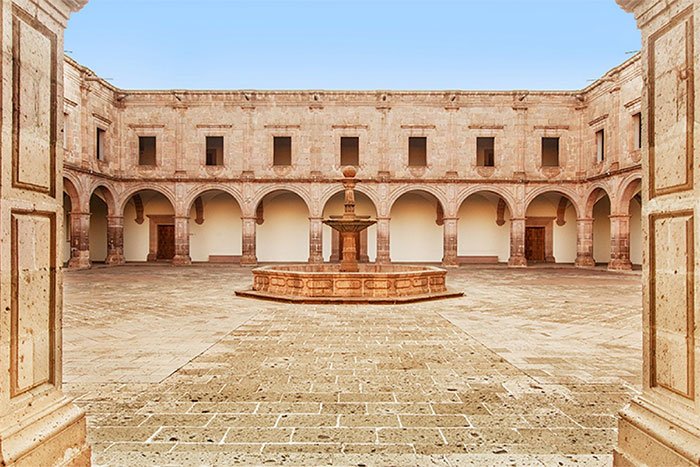
Admire the twin-towered Cathedral and the historic center's pink cantera stone, walk the Aqueduct and Calzada Fray Antonio de San Miguel, and sample Michoacán's renowned cuisine. In season, take a guided trip to the Monarch Butterfly Biosphere Reserve to witness millions of butterflies.
Where to stay
Stay in the Centro Histórico near the cathedral to walk to the main sights, cafés and restaurants — restored colonial mansions make atmospheric hotels.
Is Morelia safe for tourists?
The US Department of State currently advises “Do Not Travel” (Level 4) to the state of Michoacán because of crime and kidnapping — its highest advisory level. Morelia's historic center is a popular destination and the Monarch reserves are visited on guided tours, but the surrounding state carries the highest advisory level. If you still choose to visit, weigh this carefully, fly in rather than drive, and stay in the main tourist areas. Read the current US State Department Mexico Travel Advisory in full before planning your trip.
Nearby Destinations in Central Mexico
Morelia anchors one of Mexico's richest cultural circuits. About 3 hours north lies Guanajuato, another UNESCO colonial city with a dramatic identity all its own. Further northwest, San Miguel de Allende is one of the country's most sought-after destinations for culture and design. Closer to Morelia, the town of Pátzcuaro and Lake Pátzcuaro offer a deep immersion in Purépecha culture — and Pátzcuaro's Day of the Dead celebrations are among the most authentic in Mexico. Check out our vacation packages and travel information guide.
Frequently asked questions
Where is Morelia?
Morelia is the capital of Michoacán, in central-western Mexico, about 4 hours by road from Mexico City.
How do I get to Morelia from the US?
Morelia International Airport (MLM) has direct flights from several US cities (e.g., Chicago, Los Angeles, Dallas), plus connections through Mexico City.
When can you see the Monarch butterflies near Morelia?
The Monarch butterfly season at the biosphere reserve runs roughly from November to March, visited on guided tours from Morelia.
What is there to do in Morelia?
Admire the baroque cathedral and pink-stone historic center, walk the Aqueduct, enjoy Michoacán cuisine, and visit the Monarch butterfly reserve in season.
Is Morelia safe for tourists?
The US State Department advises Do Not Travel (Level 4) to the state of Michoacán, where Morelia is located, even though the historic center and butterfly tours are popular. Read the full, current US advisory and weigh it carefully before planning a trip.